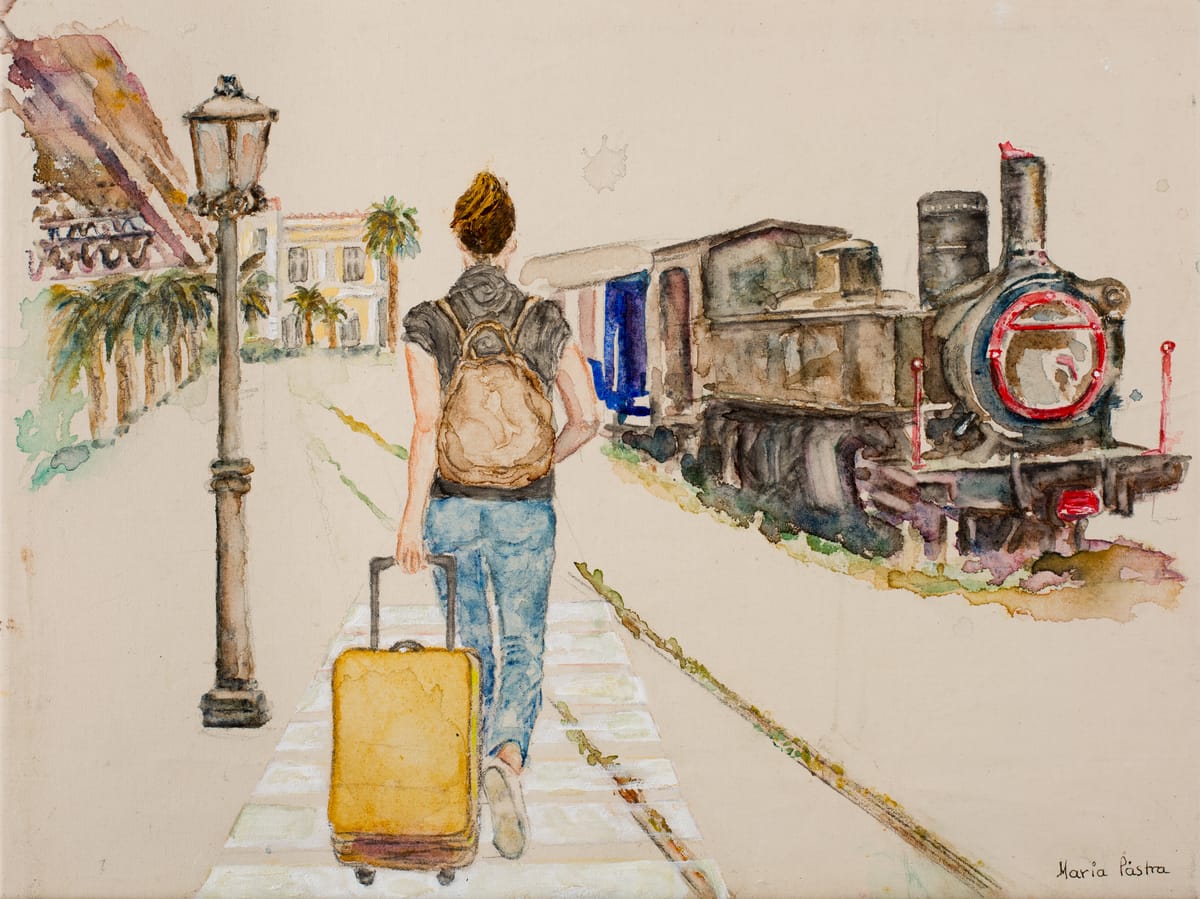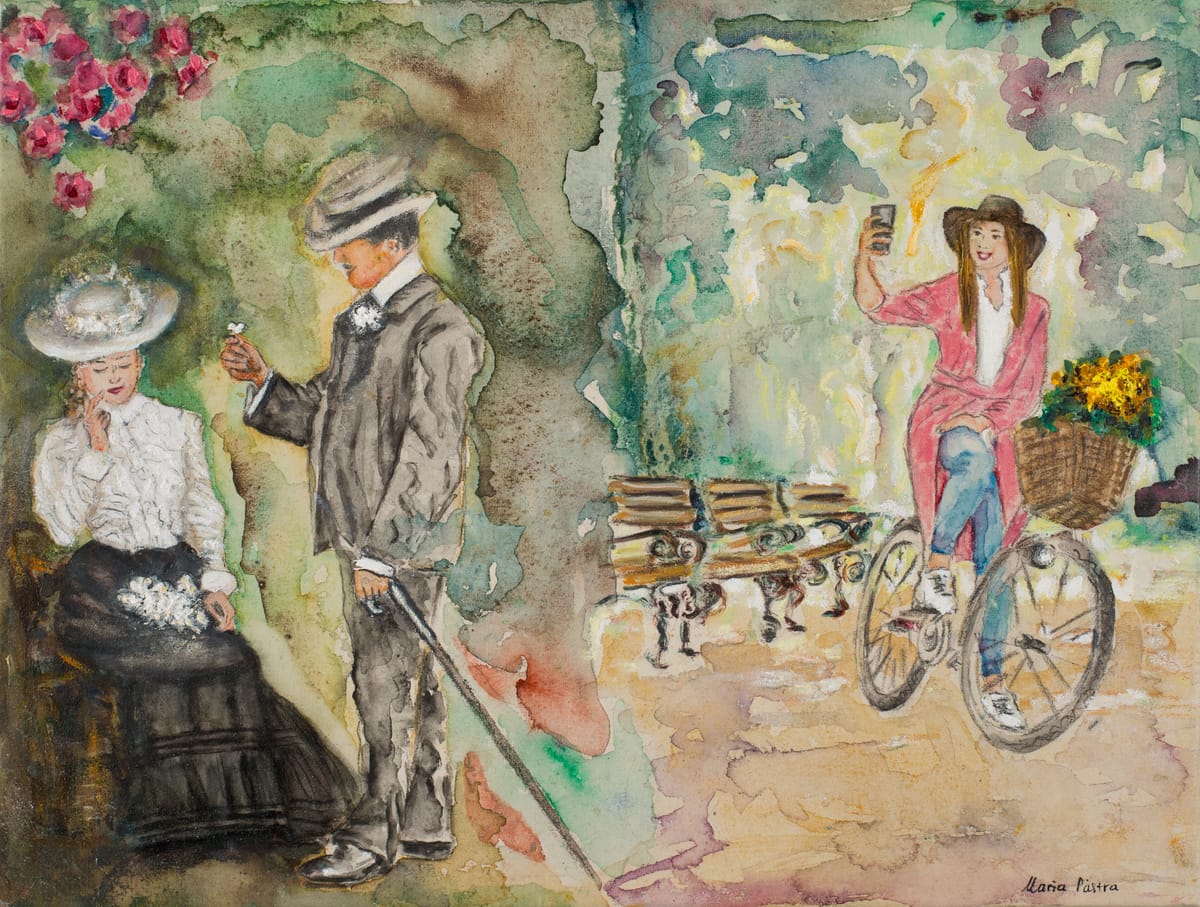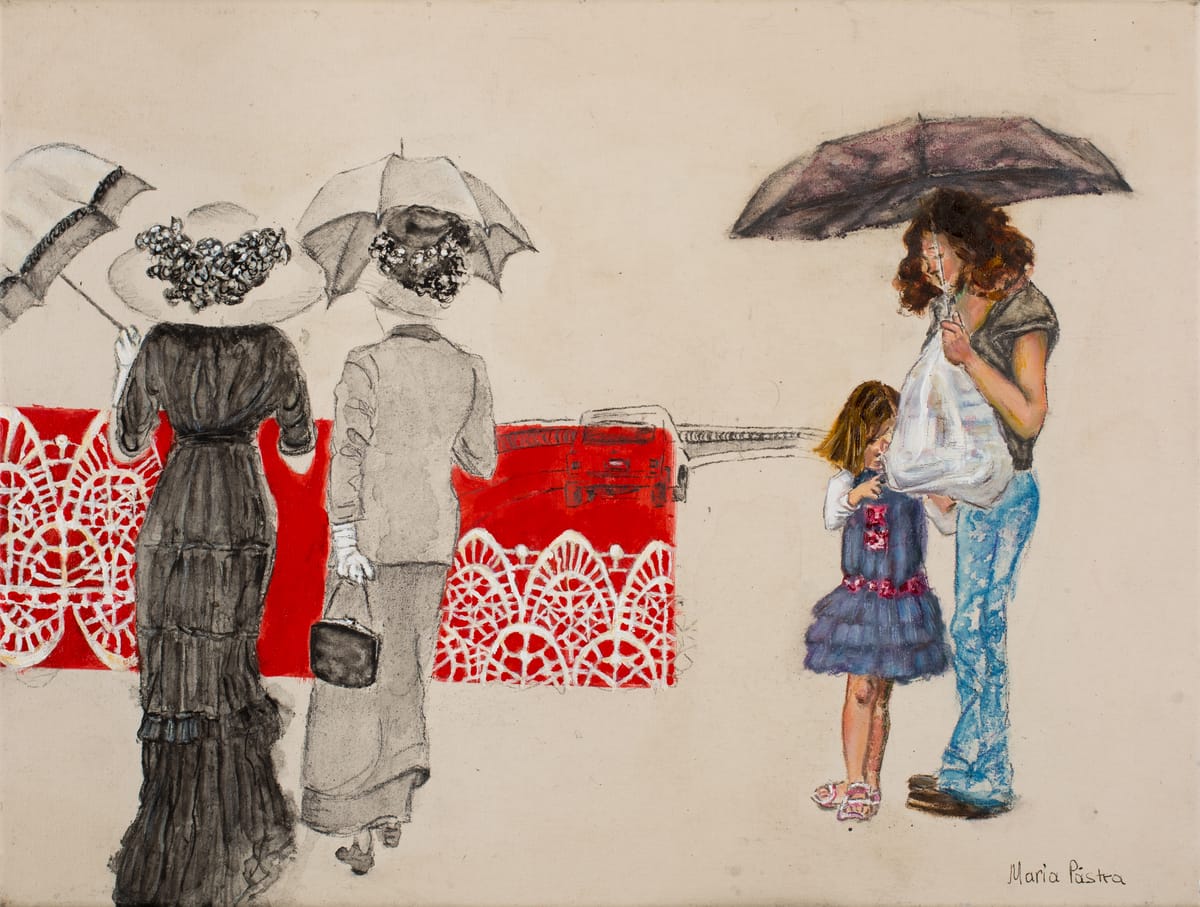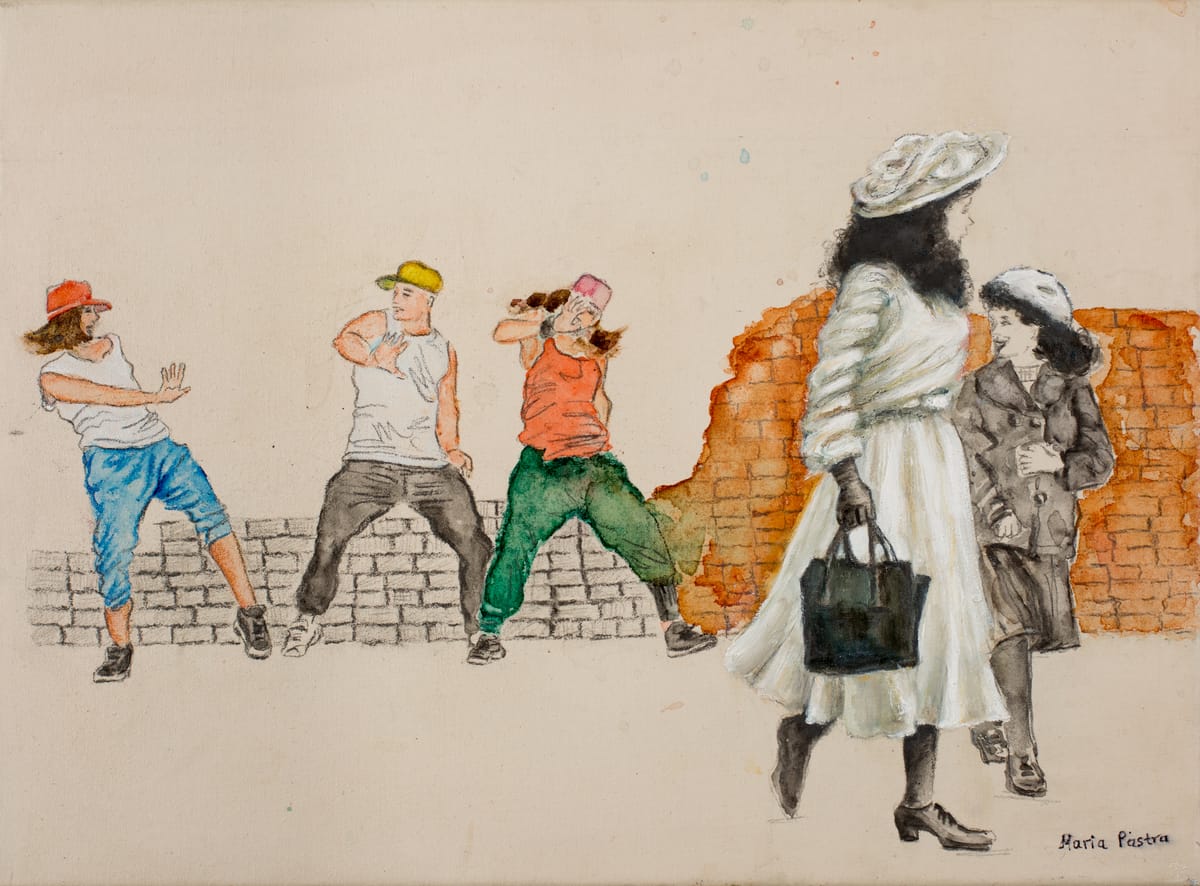
The yellow ring
- Year
- 2022
- Medium
- pencil, watercolour and linseed oil on canvas
- Dimensions
- 50 × 60 cm
- Series
- A History State
C. S. Lewis – Oxford don, theologian, philosopher and great writer of fantasy – gave his well-known Narnia books a starting point. (You may not know that The Chronicles of Narnia have sold more than a hundred million copies in fifty languages.) That starting point is not only a particular, little-known place at the heart of it all, from which every adventure in Narnia sets out; it is also a book.
That book is, of course, the first in the series. (Fortunately, the series does not begin with the second book, The Lion, the Witch and the Wardrobe, as most people believe because the films began with it; and so most people, perhaps like those unforgivable producers, overlook the first.) In my opinion, for what my reading is worth, this first book is one of the most important allegorical books ever written.
The first Narnia book is The Magician’s Nephew, written in 1948. In its pages we follow the adventures of two children, a boy, Digory, and a girl, Polly, who are staying with the boy’s uncle, Uncle Andrew, in a house whose old attic, always forbidden to the children, they set out to explore. Beside the house runs a long row of identical old houses, all abandoned.
In the attic they discover a small door leading into the attic of the house next door. And in that attic they discover another small door, leading into the attic of the next house. And so on. Following this secret route through the attics – in effect a hidden street running over and through the row of houses – they come upon, in one of the attics further along, a secret workshop, or study.
It is a magician’s workshop, and the magician is none other than the boy’s elderly uncle, who keeps it secret for his studies. There the uncle finally catches them, and gives each of them two magic rings. Polly suddenly vanishes; the uncle explains that he has sent her to another world, and that Digory must now go and find her and bring her back. Put on the yellow ring and it takes you by magic to that other world; the green ring can (‘hopefully’) bring you back here again.
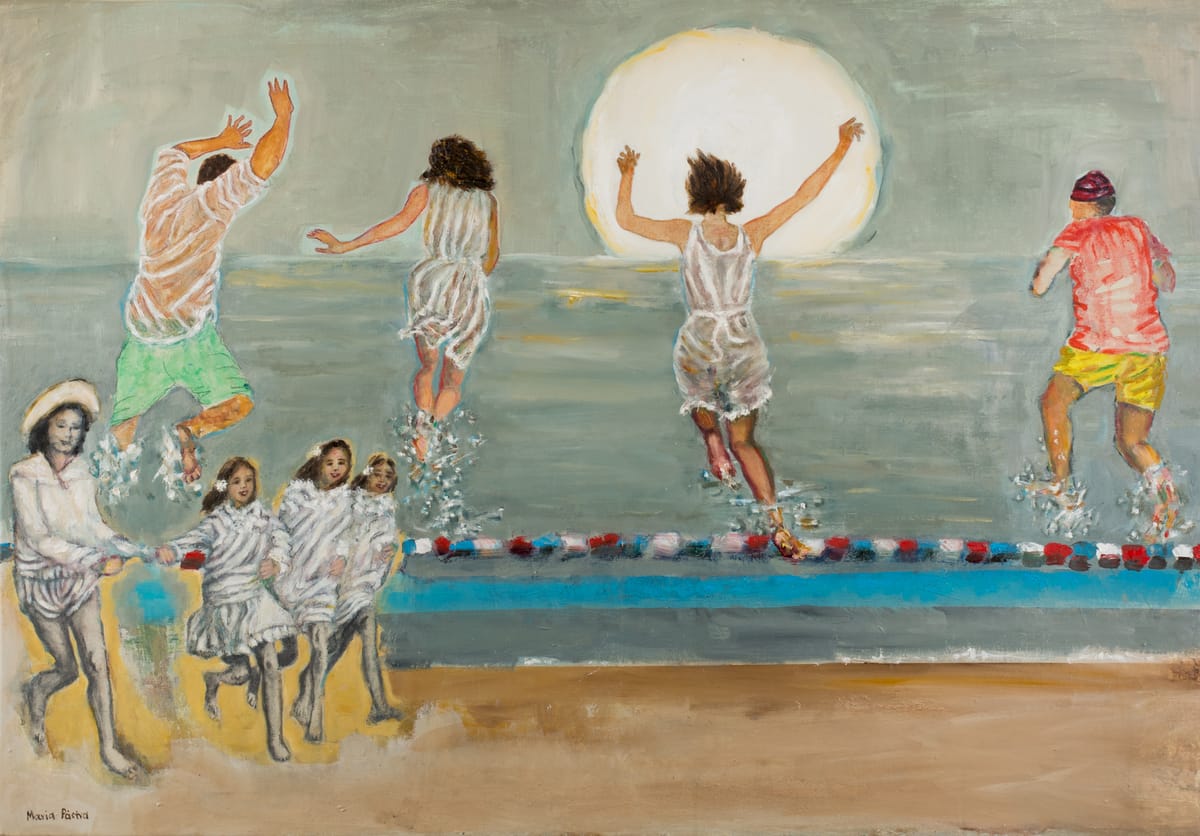
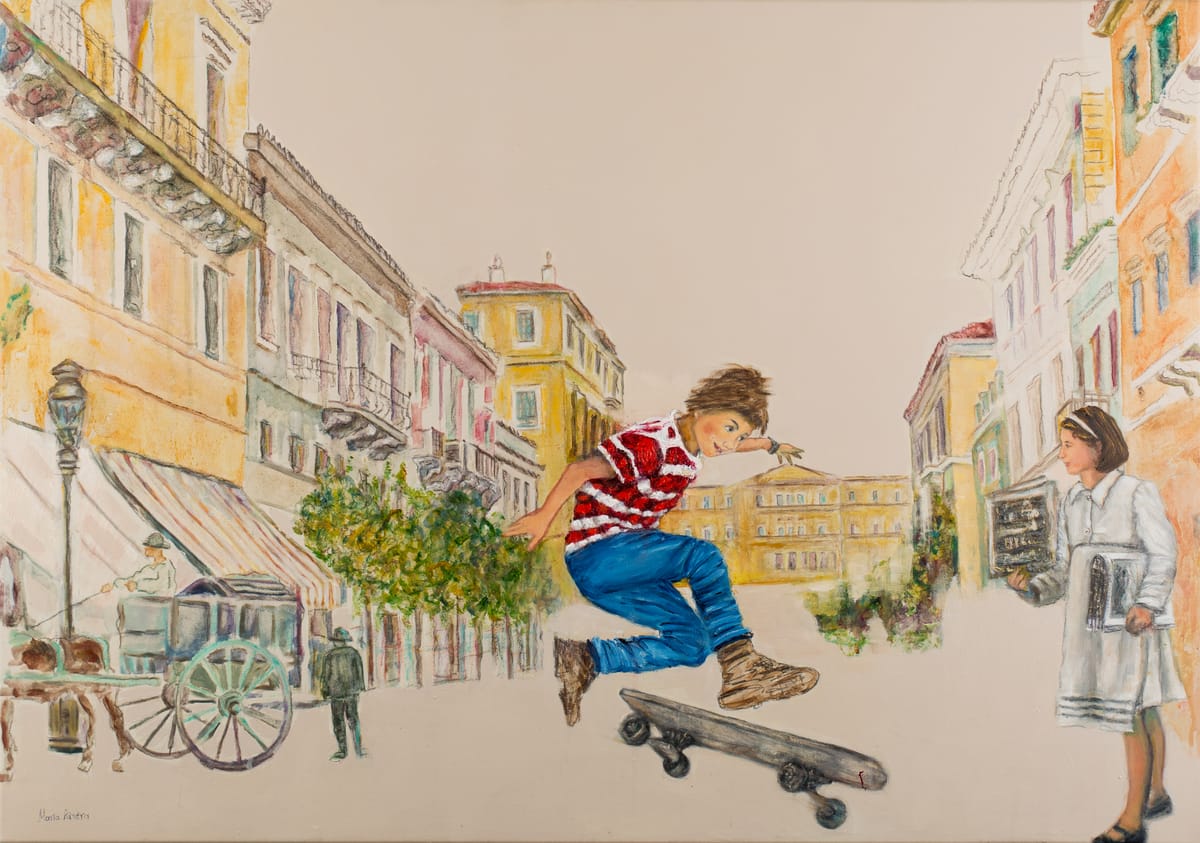
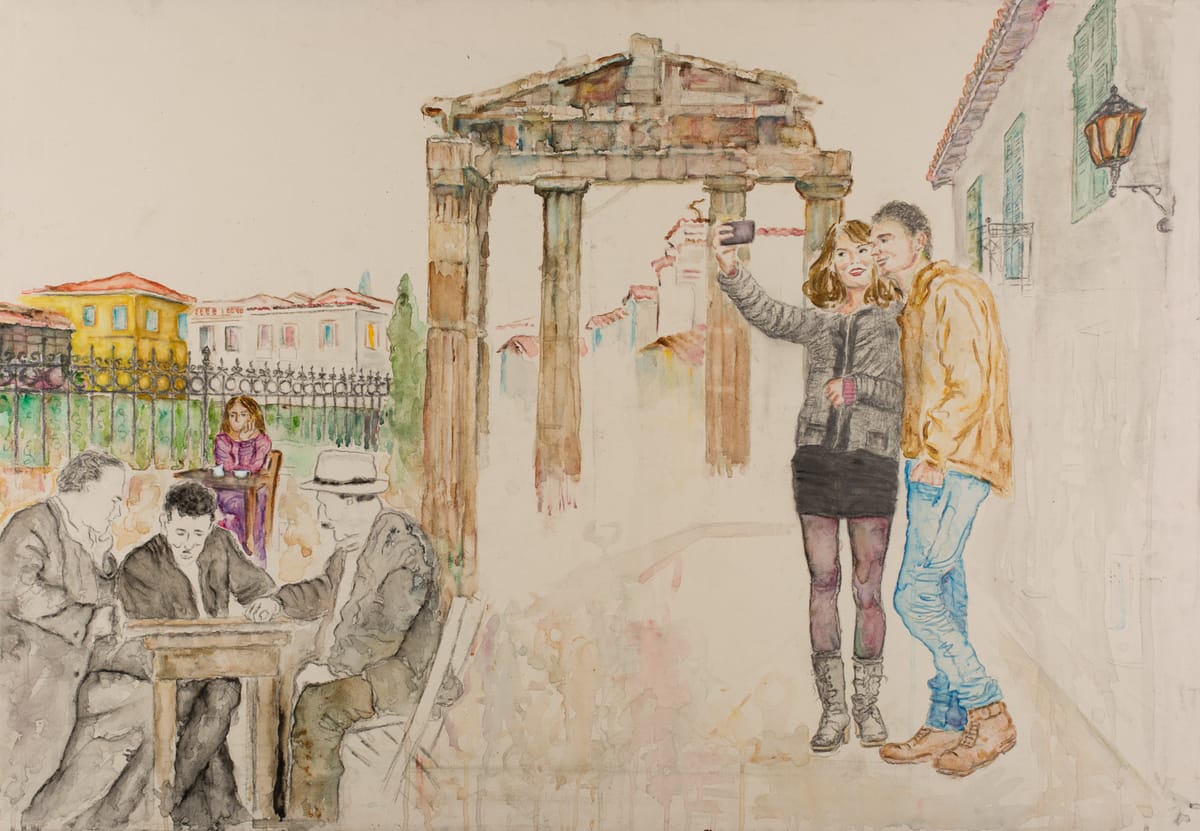
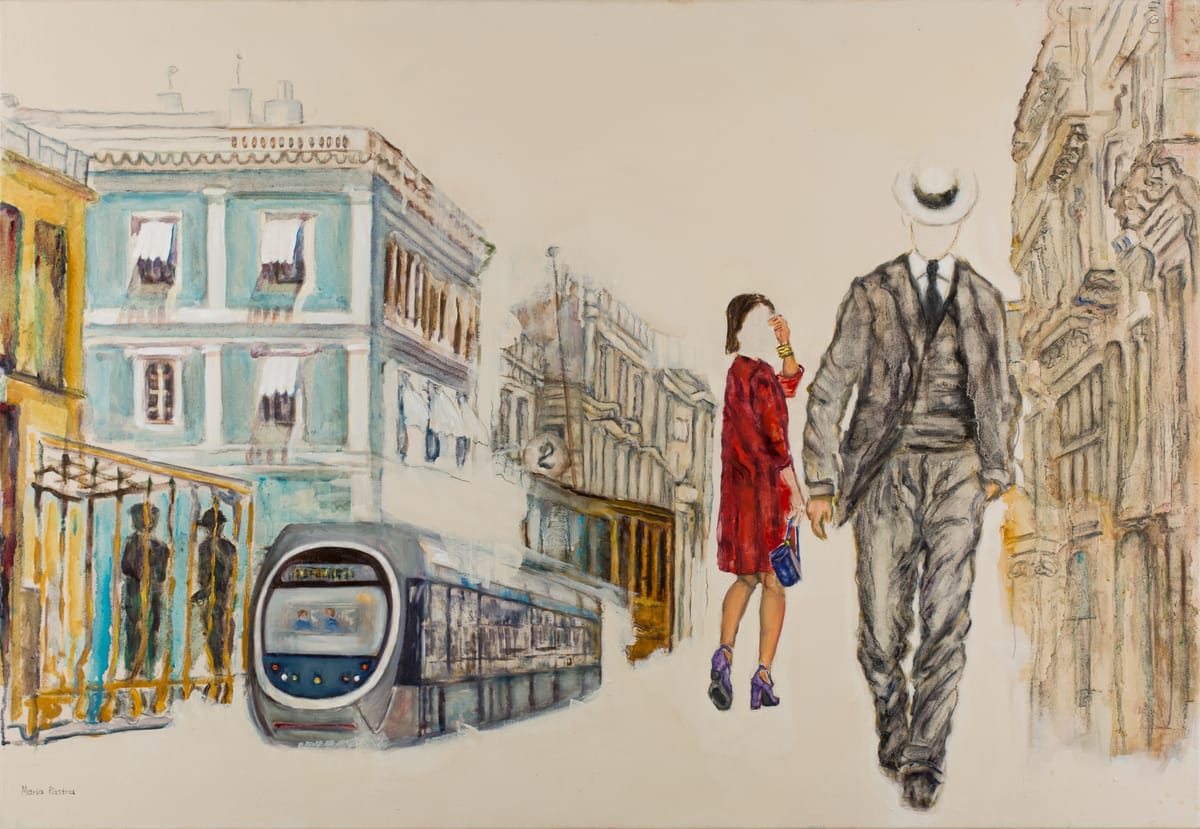
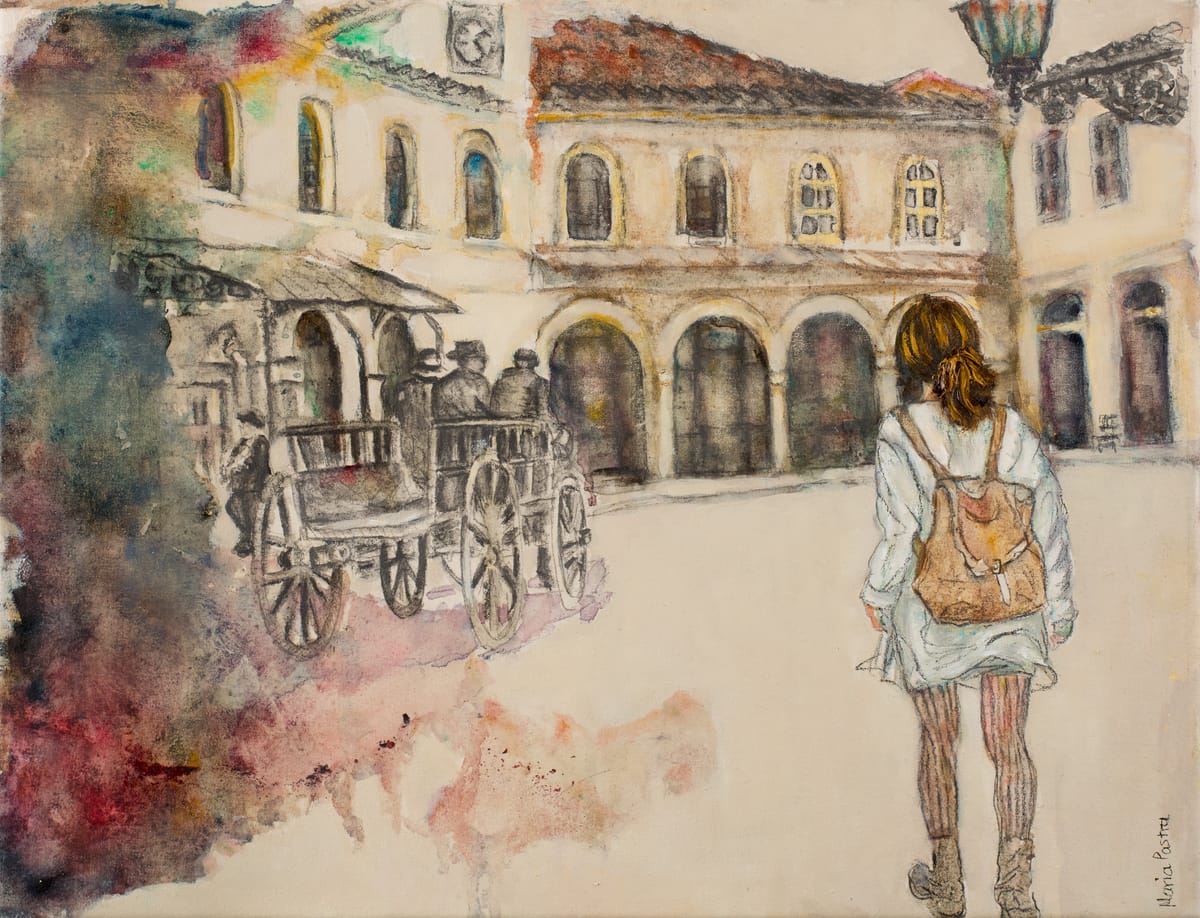
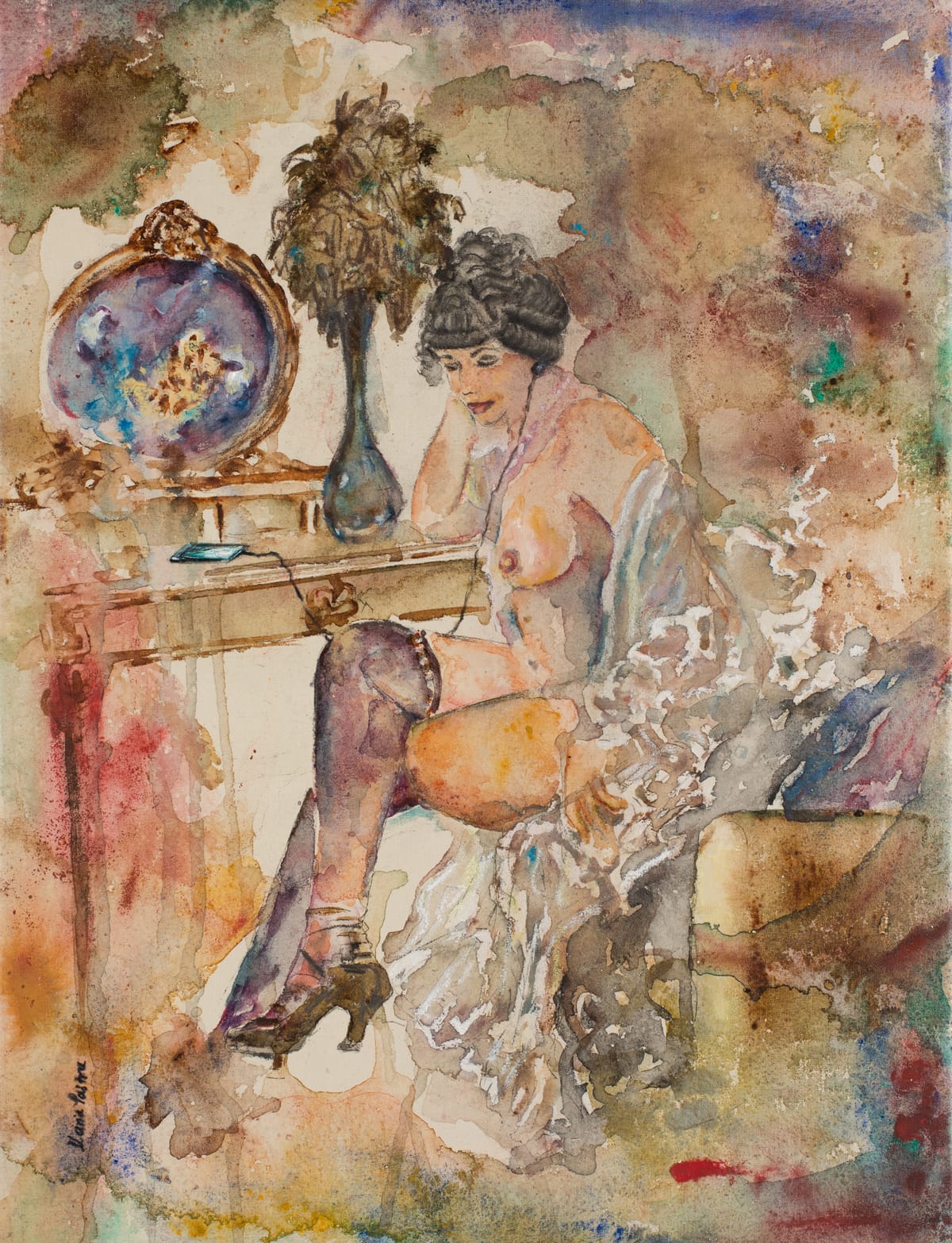
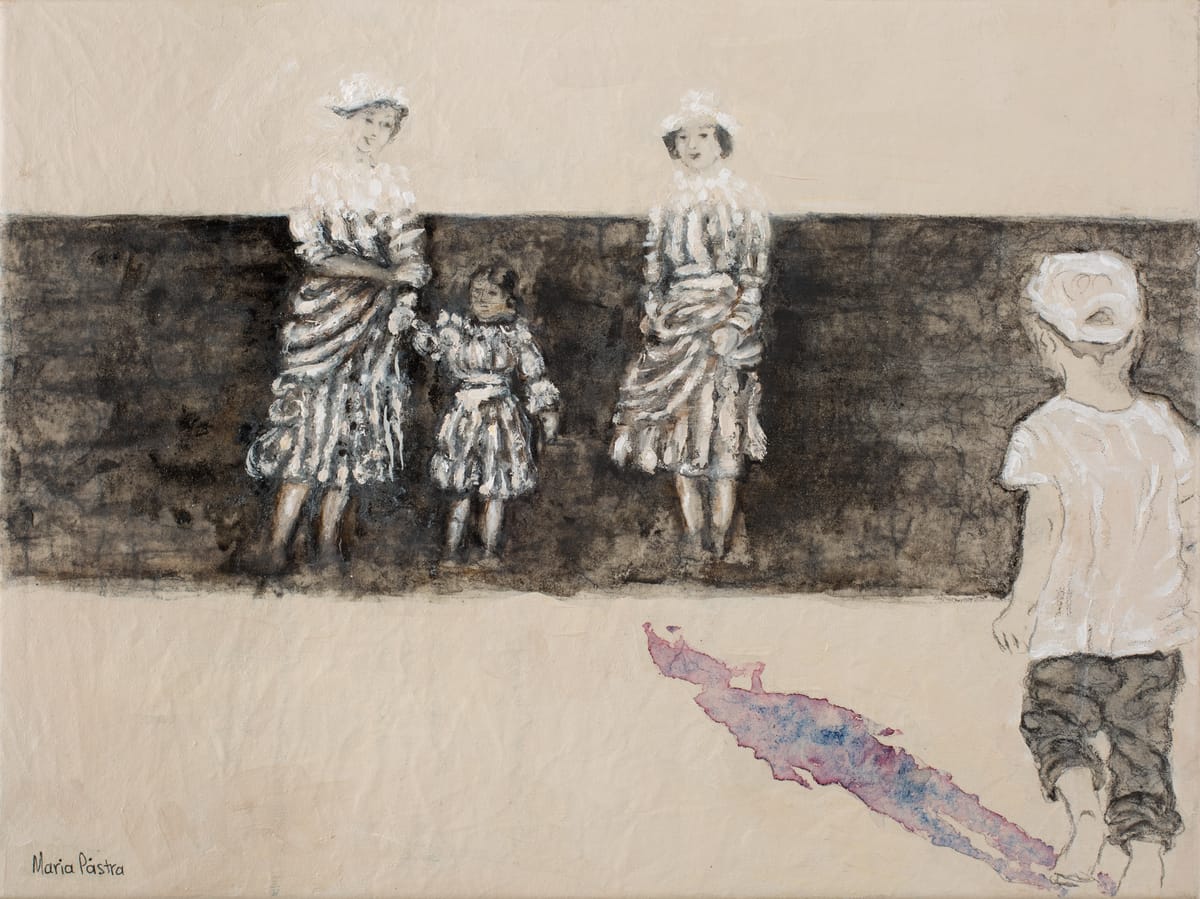
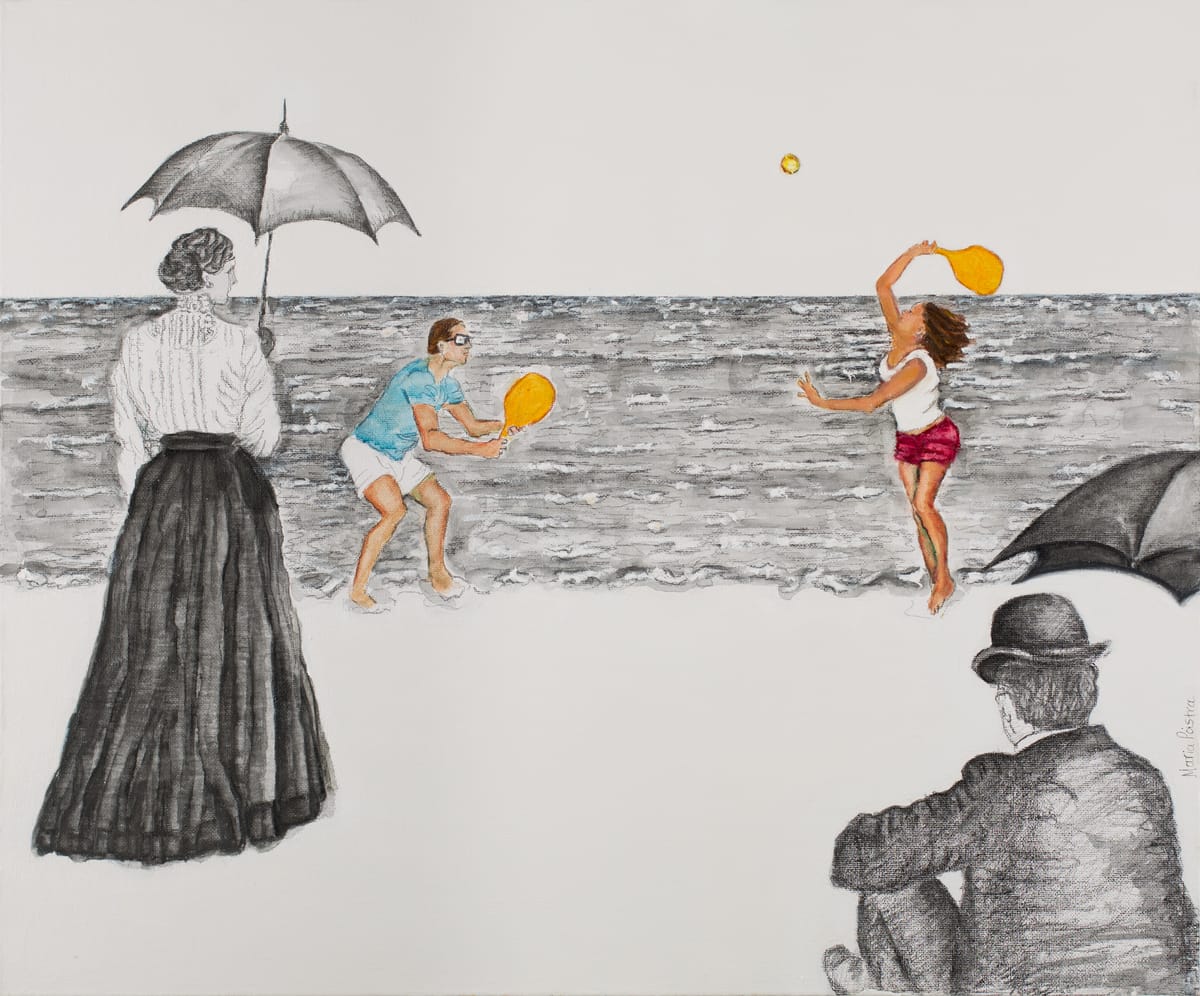
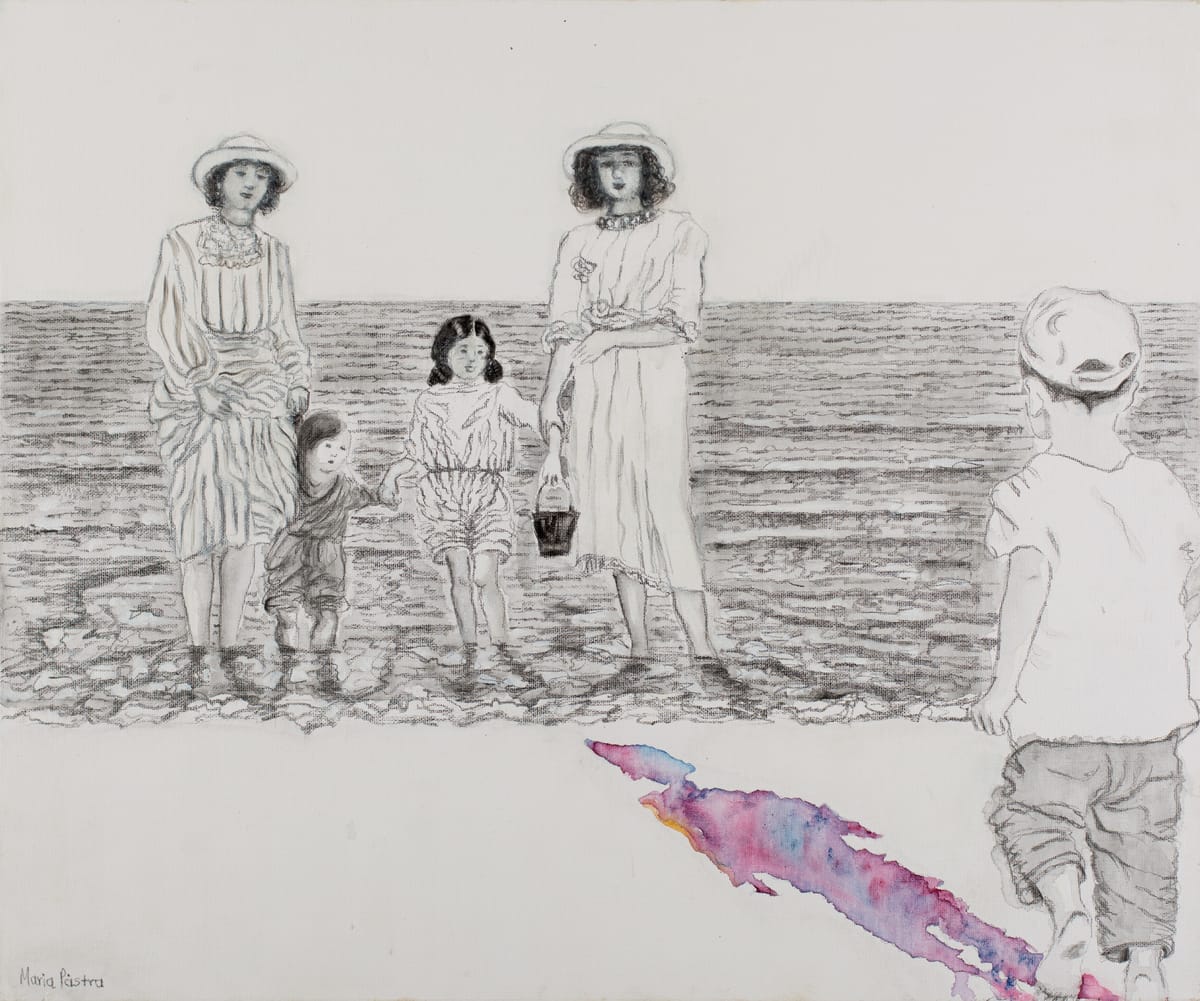
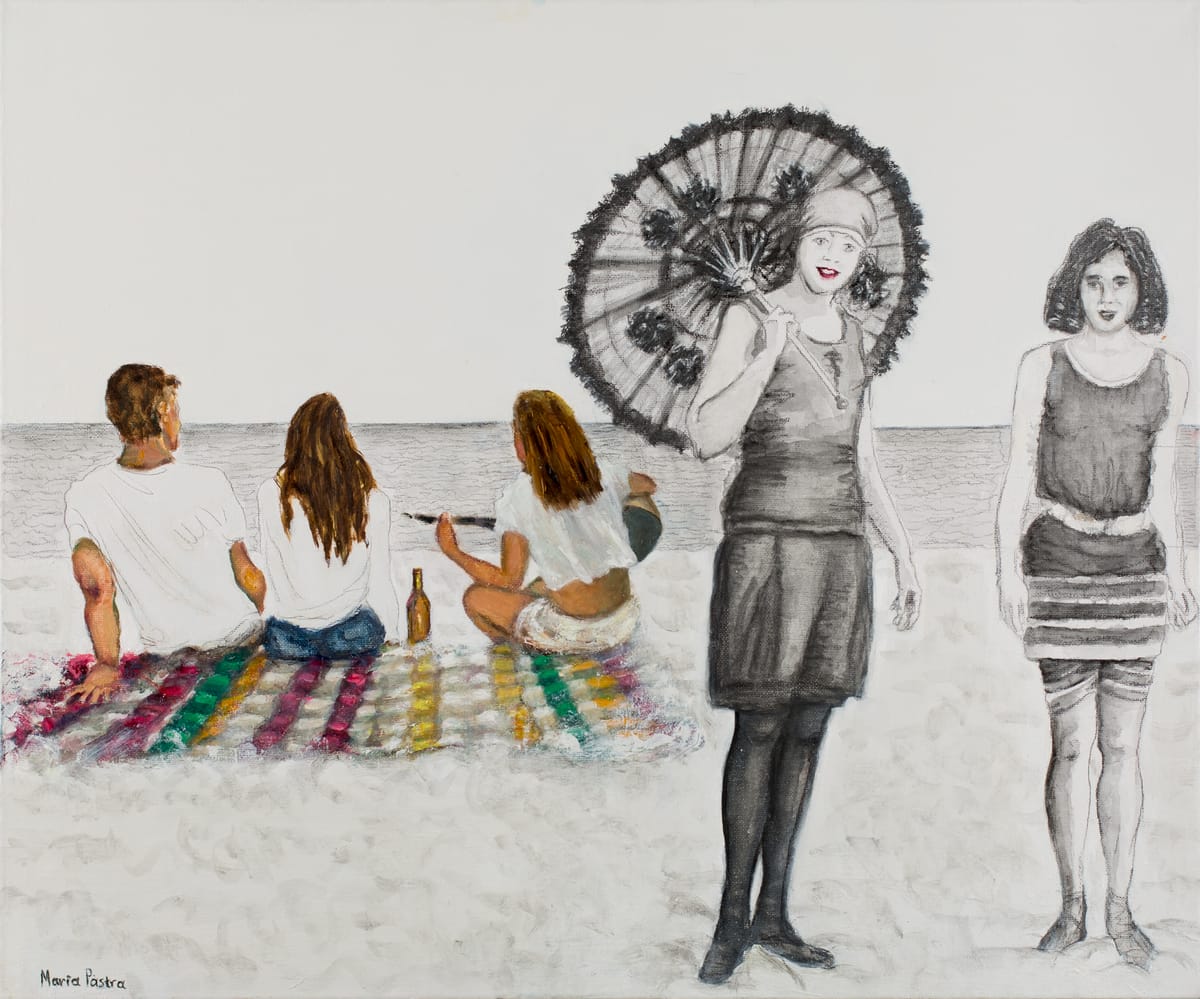
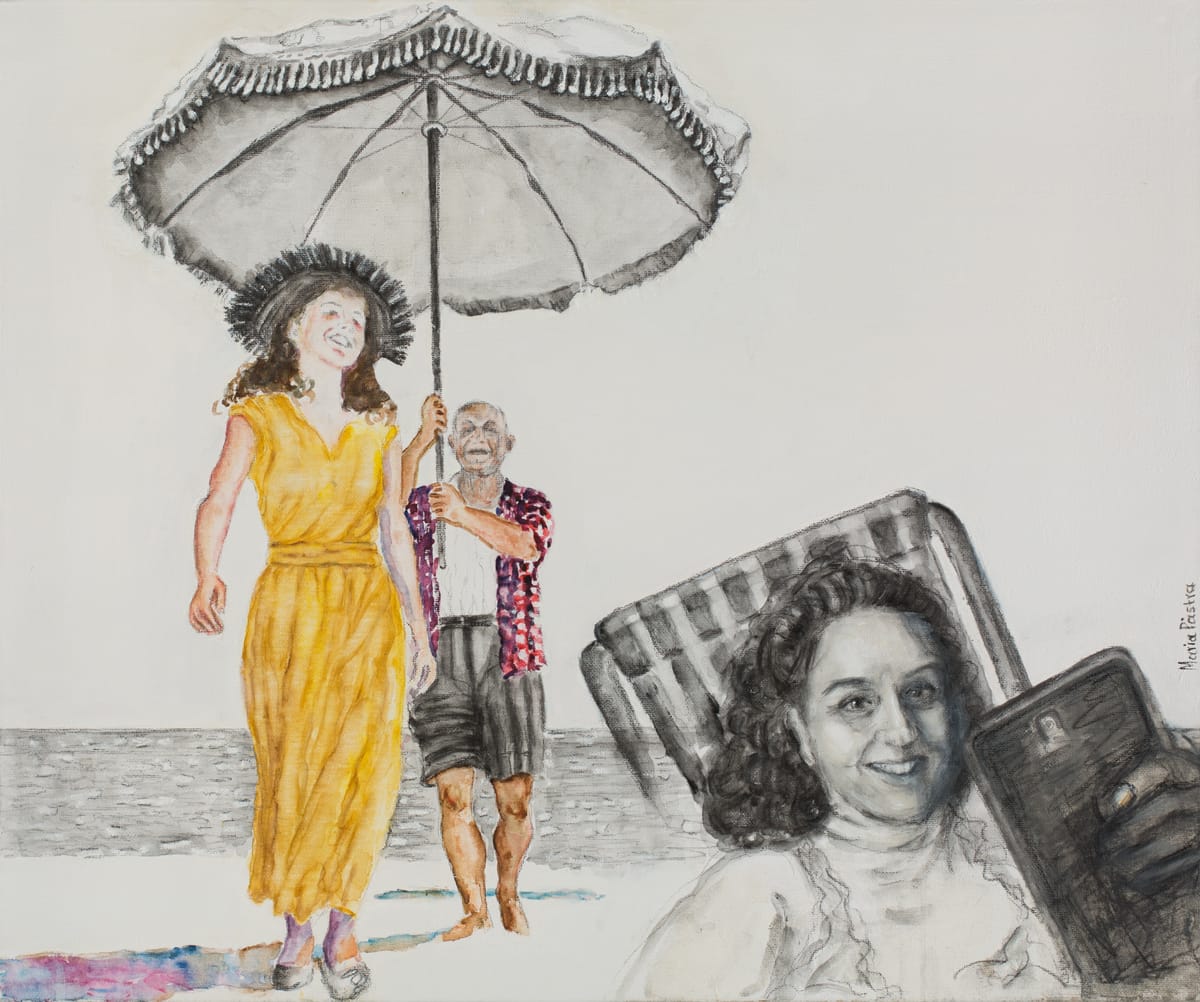
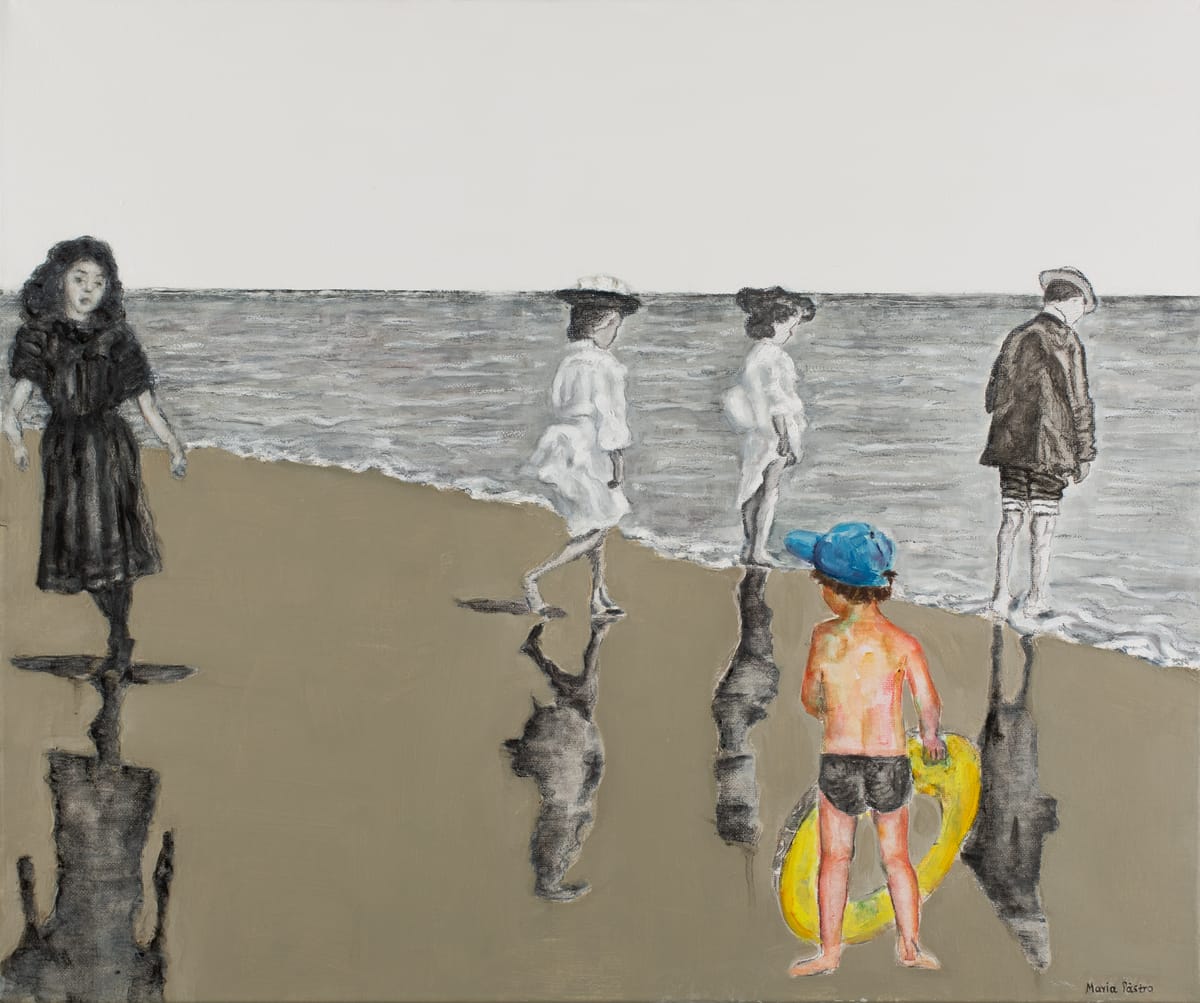
In my own allegory, the boy with the yellow rubber ring – another ring, a means of passing into space-time, whether transcendent or technological (a future time machine) – comes into contact with every dimension of space-time and ‘sees’ a group of girls from another era. With the eldest girl there may even be a flutter of romance… but only if the viewer feels it.